

What is the temperature range for an Electric Blooming Flower to work properly?
Jan 12, 2026
Leave a message
Hey there! As an Electric Blooming Flower supplier, I often get asked about the temperature range these nifty flowers need to work their magic. You see, electric blooming flowers are a unique addition to any space, offering a blend of aesthetics and innovation. But like any electrical gadget, they have their sweet spot when it comes to temperature. So, let's dig into what that range is and why it's important.
Understanding Electric Blooming Flowers
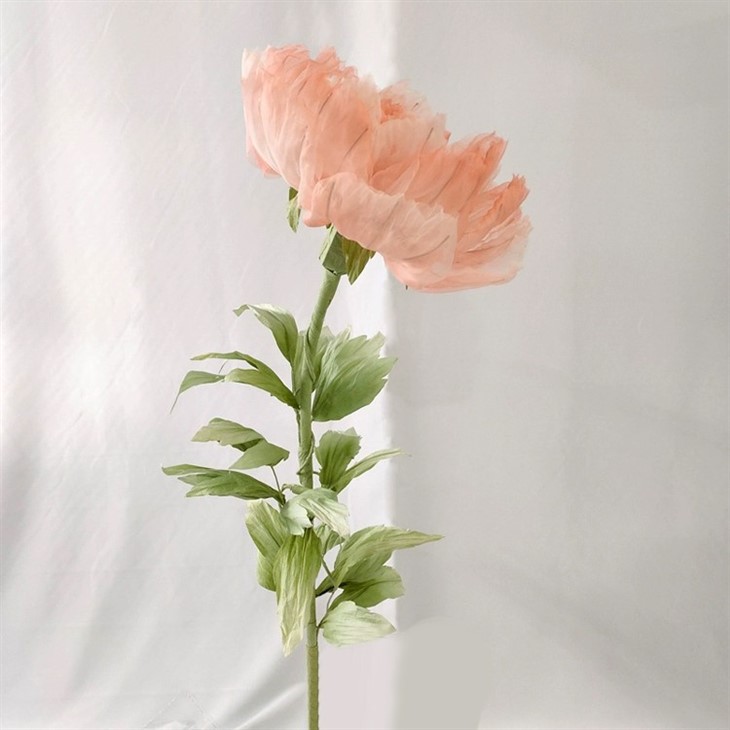
Before we talk about temperature, let's quickly go over what electric blooming flowers are. These are basically decorative paper flowers – think Electric Blooming Chinese Peony Decorative Paper Flower or Electric Blooming Rose Decorative Paper Flower – that have a built - in electric mechanism. This mechanism allows the flower to open and close, mimicking the natural blooming process. They're commonly used for events, home decor, and even in some commercial settings to add a touch of elegance and dynamism.
The Ideal Temperature Range
The ideal temperature range for an electric blooming flower to work properly is between 10°C (50°F) and 30°C (86°F). Now, I know what you're thinking: "Why this specific range?" Well, it all comes down to the components that make up these flowers.
The electric motors and wiring inside the flowers are sensitive to extreme temperatures. At temperatures below 10°C, the materials can become more brittle. The plastic parts might start to crack, and the lubricants in the motors can thicken, causing the motor to work harder and potentially overheat or malfunction. The battery life can also get affected in cold temperatures. You might notice that the flower doesn't open and close as smoothly or as frequently, and it may stop working altogether if the temperature drops too low.
On the other hand, when the temperature goes above 30°C, the heat can cause the plastic components to warp. The wiring can become more flexible than it should be, increasing the risk of short - circuits. The motor might overheat, which not only affects the flower's performance but can also be a safety hazard. High temperatures can also drain the battery faster, reducing the overall operating time of the flower.
Real - World Scenarios
Let's say you're planning an outdoor event in the middle of winter. It's freezing outside, and you're thinking of using electric blooming flowers as part of the decor. If the temperature drops below 10°C, you're likely to face some issues. The flowers might not open fully, or they could stop opening and closing completely. You'd end up with a bunch of static flowers, which defeats the purpose of having electric blooming ones.
Conversely, if you're hosting an event in the peak of summer, and the temperature soars above 30°C, the same problems can occur. The flowers might start malfunctioning, and you could even end up with damaged flowers. So, if you're using these flowers outdoors, it's important to check the weather forecast and make sure the temperature will stay within the ideal range.
Indoor Use and Temperature Control
Indoor use of electric blooming flowers is generally more reliable because you can control the temperature. Most indoor spaces are kept within the ideal temperature range of 10°C - 30°C. However, you still need to be careful. If you place the flowers near a heater or in direct sunlight for long periods, the temperature around the flowers can rise above the recommended range. Similarly, if they're placed near an air - conditioning vent blowing cold air directly on them, the temperature can drop too low.

Testing and Quality Assurance
At our company, we're really big on testing to ensure our electric blooming flowers work well in the ideal temperature range. We subject the flowers to various temperature conditions during the manufacturing process. We use specialized equipment to simulate different temperatures and observe how the flowers perform. This helps us catch any issues early on and make sure that every flower we supply will work properly when it reaches your hands.
Tips to Maintain the Right Temperature
If you're using electric blooming flowers, here are some tips to keep them within the ideal temperature range:
- Outdoor Use: If it's too cold, you can use small heaters or warm - air blowers to keep the area around the flowers warm. Just make sure the heaters are at a safe distance from the flowers to avoid any fire hazards. If it's too hot, you can provide some shade using umbrellas or tents.
- Indoor Use: As mentioned earlier, avoid placing the flowers near heat sources or cold drafts. If the room is getting too hot, you can use a fan or turn on the air - conditioner. And if it's cold, turn up the heat a bit.
Conclusion
So, to sum it up, the temperature range for an electric blooming flower to work properly is between 10°C and 30°C. Keeping the flowers within this range is crucial for their performance, longevity, and safety. Whether you're using them for a special event or just for home decor, understanding these temperature requirements will help you get the most out of your electric blooming flowers.
If you're interested in purchasing our high - quality electric blooming flowers, such as the Electric Blooming Chinese Peony Decorative Paper Flower or Electric Blooming Rose Decorative Paper Flower, feel free to reach out for a purchase and negotiation. We're always happy to chat and find the best solution for your needs.
References
- General knowledge of electrical components and their temperature sensitivities.
- In - house testing data from our manufacturing process.