

What are the considerations for accessible shopping malls decorative?
Jan 20, 2026
Leave a message
In the contemporary world, creating an accessible shopping mall is not only about providing a space for retail but also about ensuring that every individual, regardless of their physical abilities, can enjoy the shopping experience fully. When it comes to shopping mall decoration, there are numerous considerations to keep in mind to guarantee accessibility. As a supplier in the field of Shopping Malls Decorative, I have witnessed firsthand the importance of these considerations.
1. Physical Accessibility
First and foremost, the decoration should not obstruct physical movement within the mall. This means that all decorative elements, such as large sculptures or Decoration Large Flower Props, need to be carefully placed. For example, they should not block wheelchair ramps, elevators, or automatic doorways. These areas are crucial access points for people with disabilities, and any blockage can cause significant inconvenience or even danger.

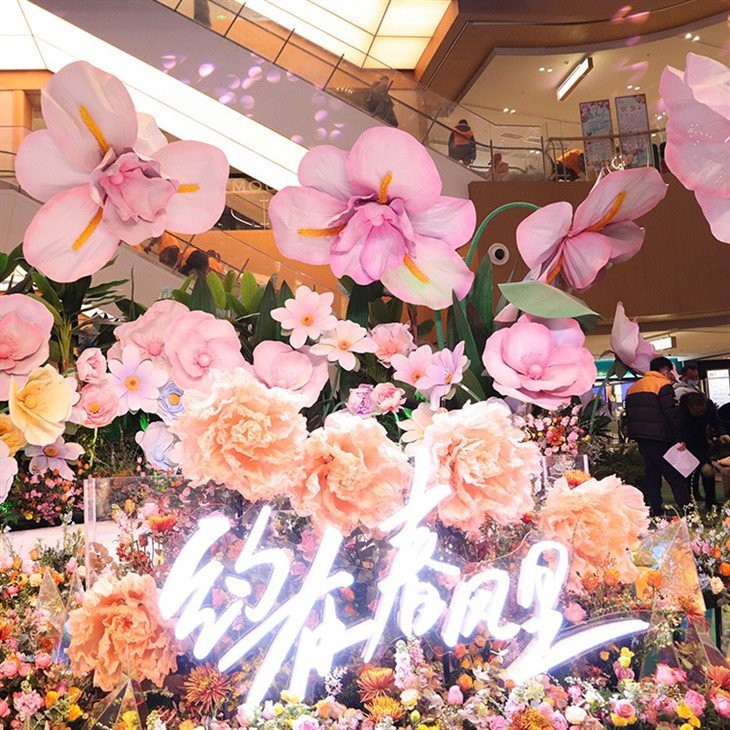
When installing decorative items, it is essential to ensure that there is sufficient space around them for smooth pedestrian flow. Corridors and walkways should be wide enough for wheelchairs and strollers to pass easily. This might require careful planning and measurement before placing larger decorative pieces. Additionally, the weight and stability of these decorations are vital. Heavy items need to be securely fastened to prevent them from toppling over and causing harm to shoppers.
2. Visual and Sensory Accessibility
Visual accessibility is another key aspect. Decorations should be designed in a way that they are easily visible to everyone, including those with visual impairments. This could involve using high - contrast colors for signs and decorative elements. For example, if there are information boards or directional signs integrated into the mall's decoration, they should have a clear contrast between the text and the background. This makes it easier for people with low vision to read the information.
In addition to visual elements, sensory accessibility should also be considered. Some decorations can incorporate tactile elements, especially in low - traffic areas where people can safely interact with them. For instance, textured panels or sculptures can provide a unique sensory experience for visually impaired individuals. However, it is important to ensure that these tactile elements are made of safe and non - abrasive materials to avoid any injuries.
3. Cultural and Inclusive Design
A shopping mall serves a diverse group of people from different cultural backgrounds. The decoration should reflect and respect this diversity. Avoid using symbols or images that may be offensive or misinterpreted by certain cultural groups. Instead, opt for decorations that celebrate various cultures in a positive and inclusive way.
For example, during global festivals from different cultures, the mall can be decorated to represent these celebrations. This not only makes the mall more welcoming to a wider range of customers but also adds an interesting and unique flavor to the shopping environment. Cultural motifs can be incorporated into large - scale decorations like wall murals or through Decoration Large Flower Props with culturally inspired designs.
4. Maintenance and Safety
Accessibility is also related to the long - term maintenance and safety of the decorations. All decorative items should be easy to clean and maintain. This is important because a dirty or damaged decoration can not only look unappealing but also pose a safety hazard. For example, loose parts or peeling paint on a large decorative piece can cause people to trip or inhale harmful particles.
Regular inspections should be carried out to ensure that the decorations are in good condition. If a decoration is damaged, it should be repaired or replaced promptly to maintain the overall accessibility and safety of the mall. It is also important to use fire - resistant materials for decorations, especially in areas where there is a high risk of fire, such as near electrical wiring or food courts.
5. Aesthetic and Functional Balance
While creating accessible decorations, it is crucial to maintain a balance between aesthetics and functionality. The decorations should enhance the overall visual appeal of the mall while still serving their intended purpose. For example, decorative partitions can be used to create a sense of privacy in certain areas, such as seating areas or fitting rooms, but they should not limit access or visibility.
Lighting is another important aspect that combines both aesthetics and functionality. Adequate lighting is necessary for visibility, especially in areas with elaborate decorations. At the same time, the lighting can be designed in a way that enhances the beauty of the decorations. For example, spotlighting can be used to highlight key decorative features like large flower arrangements or unique sculptures.
6. Flexibility and Adaptability
Shopping malls are dynamic spaces that often need to change their decorations according to seasons, holidays, or special events. Therefore, the decoration solutions should be flexible and adaptable. Decorations that can be easily re - arranged or replaced are more practical.
For instance, modular Decoration Large Flower Props can be combined in different ways to create various visual effects. This not only allows for quick and cost - effective decoration changes but also ensures that the accessibility of the mall is not compromised during the process.
Conclusion
In conclusion, creating accessible shopping mall decorations involves a comprehensive understanding of various factors, including physical access, visual and sensory needs, cultural inclusivity, maintenance, and the balance between aesthetics and functionality. As a Shopping Malls Decorative supplier, I am committed to providing high - quality and accessible decoration solutions.
If you are interested in enhancing the accessibility and visual appeal of your shopping mall through our decorative products, we invite you to contact us for a procurement discussion. We have a team of experts who can work with you to design and implement the most suitable decoration plan for your specific needs.
References
- "Universal Design Principles for Public Spaces" by an unknown author
- "Cultural Sensitivity in Interior Design" published by a well - known design institute