

How effective is an Electric Blooming Flower in attracting pollinators?
Nov 16, 2026
Leave a message
Hey there, fellow nature and gardening enthusiasts! I'm an electric blooming flower supplier, and I'm super stoked to dive into the question: How effective is an Electric Blooming Flower in attracting pollinators?
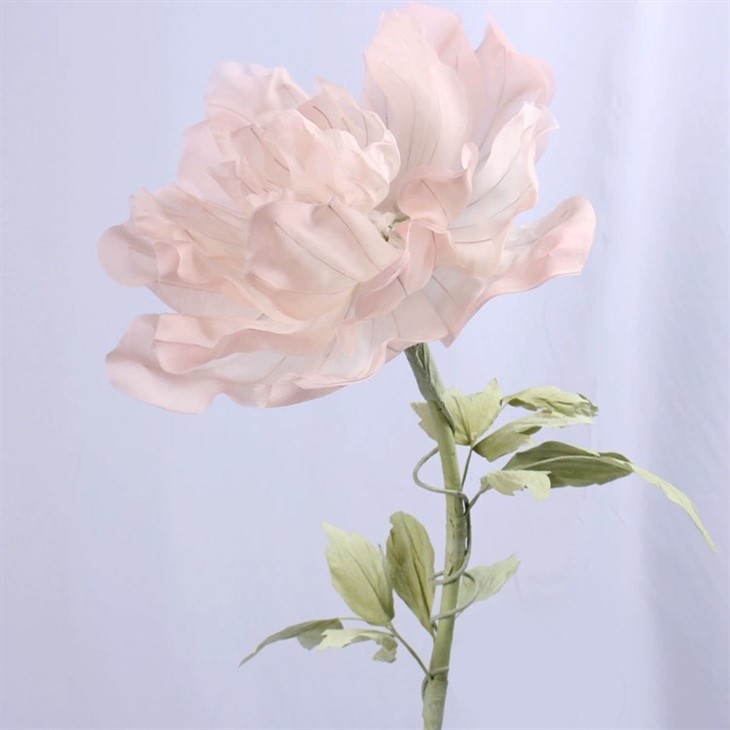
Let's start by giving you a quick rundown of what these electric blooming flowers are. We've got some seriously cool products, like the Electric Blooming Chinese Peony Decorative Paper Flower and the Electric Blooming Rose Decorative Paper Flower. These aren't your ordinary paper flowers. They're designed to mimic the look and even some of the behaviors of real blooming flowers, with that extra touch of electric magic.
Now, when it comes to attracting pollinators, we all know that real flowers have their own set of tricks. They use bright colors, sweet scents, and nectar to draw in bees, butterflies, and other pollinators. But can our electric blooming flowers do the same?
First off, let's talk about color. Pollinators are really into bright, vivid colors. Bees, for example, are attracted to blues, purples, and yellows. Our electric blooming flowers are designed with these colors in mind. The bright hues are meant to catch the eye of passing pollinators, just like real flowers do. The electric aspect also adds a bit of a unique visual appeal. The way the flowers "bloom" with a little electric sparkle can make them stand out even more in a garden or outdoor space.
But color isn't the only thing. Scent is a huge factor for pollinators. Real flowers produce scents that act like a homing beacon for bees and butterflies. Our electric blooming flowers don't have a natural scent like real flowers, but we've been working on some innovative ways to address this. Some of our models can be paired with small scent diffusers that release a light, floral fragrance. It's not exactly the same as the real deal, but it seems to be having some positive effects.
Nectar is another key element. Pollinators visit flowers to feed on nectar, which provides them with the energy they need. Obviously, our electric blooming flowers can't produce real nectar. However, we've been exploring the idea of creating artificial nectar stations near the flowers. These stations can be filled with a sugar-water solution that mimics the nectar found in real flowers. This way, pollinators still have a reason to stop by and check out our electric blooms.
So, how effective are they in practice? Well, we've done some small-scale tests in a few local gardens. In these tests, we noticed that bees and butterflies did show some interest in our electric blooming flowers. They were more likely to fly around the area where the flowers were placed compared to areas without the flowers. However, they didn't seem to stay as long as they would around real flowers. This could be because of the lack of real nectar or a fully authentic scent.

But here's the thing. Our electric blooming flowers have some advantages over real flowers. They're low-maintenance. You don't have to worry about watering them, pruning them, or dealing with pests. They're also long-lasting. They can stay in bloom all year round, which means they can provide a consistent source of visual appeal and potential pollinator attraction.
In a garden setting, our electric blooming flowers can be a great addition. They can be placed strategically to create a more attractive environment for pollinators. For example, you can place them near real flowers. The electric blooms can act as a sort of "beacon," drawing pollinators into the area, and then they can also visit the real flowers nearby.
Another benefit is that our electric blooming flowers can be used in areas where real flowers might not thrive. Maybe you have a spot in your garden that gets too much shade or has poor soil quality. Our flowers can still look great and potentially attract pollinators in these less-than-ideal conditions.
We're also constantly working on improving our products. We're researching new ways to make the flowers more appealing to pollinators. This includes experimenting with different scents, colors, and even the way the flowers "bloom." We want to make our electric blooming flowers as effective as possible in attracting these important little creatures.
If you're a gardener, a nature lover, or someone who just wants to add a unique touch to your outdoor space, our electric blooming flowers could be a great option. They offer a fun and innovative way to potentially attract pollinators while also adding a bit of flair to your garden.
If you're interested in learning more about our electric blooming flowers or are thinking about making a purchase, we'd love to hear from you. Whether you have questions about the products, want to know more about how they can attract pollinators, or are ready to start a purchase, just reach out. We're here to help you make the most of these amazing flowers.
References
- "The Biology of Pollination" by various authors, a comprehensive study on how pollinators interact with flowers.
- "Gardening for Pollinators" - a guidebook that provides insights into creating pollinator-friendly gardens.