

What kind of signage is important for shopping malls decorative?
Aug 04, 2025
Leave a message
In the highly competitive retail landscape, shopping malls are constantly seeking ways to enhance their appeal and create a unique and inviting atmosphere for shoppers. One of the most effective ways to achieve this is through strategic signage and decorative elements. As a dedicated supplier in the field of shopping malls decorative, I've had the privilege of witnessing firsthand how the right signage can transform a shopping mall's ambiance, guide customers, and even boost sales. In this blog, I'll explore the various types of signage that are crucial for shopping mall decoration.
Wayfinding Signage
One of the primary functions of signage in a shopping mall is to help customers navigate the space efficiently. Wayfinding signage is essential for large and complex malls where shoppers might easily get lost. This includes directory boards at the entrance and major intersections, which provide an overview of the mall's layout, tenant locations, and floor plans. Clear and concise directional signs along the corridors and escalators are also vital. These signs should use simple arrows and bold, easy - to - read fonts to indicate the direction to different sections such as food courts, restrooms, and anchor stores.
For instance, in a multi - level shopping mall, vertical wayfinding signage can be used to guide shoppers between floors. Digital wayfinding kiosks have also become increasingly popular. They offer interactive maps that allow shoppers to search for specific stores, get real - time directions, and even view special promotions. By providing seamless navigation, wayfinding signage enhances the overall shopping experience and reduces customer frustration.
Tenant Identification Signage
Tenant identification signage is perhaps the most visible type of signage in a shopping mall. It includes storefront signs, which are the first point of contact between a store and potential customers. These signs should be eye - catching, unique, and reflective of the brand's identity. High - quality materials such as illuminated letters, acrylic signs, or metal plaques can be used to create a professional and attractive look.
In addition to storefront signs, internal tenant signage within the mall can also be important. For example, hanging signs above stores in the main corridors can help draw attention to individual retailers, especially those located in less prominent areas. The size, color, and design of tenant identification signage should be coordinated with the overall mall aesthetic to ensure a cohesive and harmonious look.
Promotional Signage
Promotional signage plays a key role in driving sales and increasing foot traffic in a shopping mall. This type of signage is used to advertise special offers, discounts, events, and new product launches. Window displays with large, colorful posters can attract the attention of passers - by and entice them to enter the store. Digital displays are also an effective way to showcase dynamic promotional content.
Within the mall, freestanding promotional signs can be placed in high - traffic areas such as atriums and near escalators. These signs can feature eye - catching graphics and bold text to convey the promotional message quickly. Seasonal and holiday - themed promotional signage can further enhance the festive atmosphere of the mall and encourage shoppers to make purchases. For example, during the Christmas season, large - scale decorations and promotional signs can create a magical and inviting environment.
Safety and Regulatory Signage
Safety and regulatory signage is non - negotiable in a shopping mall. This includes signs indicating emergency exits, fire safety equipment locations, and no - smoking areas. These signs must comply with local building codes and safety regulations. They are typically designed with high - contrast colors and simple symbols to ensure maximum visibility.
Safety signage also includes directional signs for evacuation routes in case of an emergency. Clear and well - placed safety signs can help protect the well - being of shoppers and employees in the mall. Regulatory signage, such as handicap - accessible signs and signs indicating age - restricted areas, is also important for ensuring compliance with legal requirements and providing a comfortable and inclusive shopping environment.
Decorative Signage
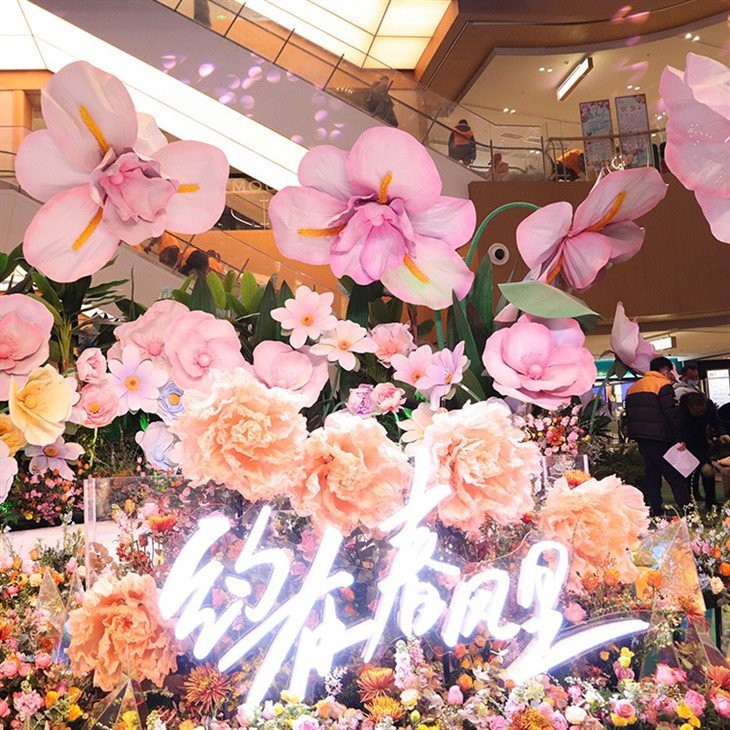
Decorative signage goes beyond functionality and adds an artistic and aesthetic touch to the shopping mall. It can include large - scale wall murals, decorative plaques, and themed signs that complement the overall design concept of the mall. For example, a mall with a nautical theme might feature signs in the shape of ships or sea creatures.
Decoration Large Flower Props can be incorporated into decorative signage. These props can be used to create stunning focal points within the mall, such as large flower arrangements on pillars or hanging flower installations in the atrium. Decorative signage not only enhances the visual appeal of the mall but also helps create a memorable and immersive shopping experience for customers.

Branding Signage
Branding signage is used to reinforce the identity of the shopping mall itself. This includes the mall's logo signage at the main entrance, on exterior facades, and throughout the interior. Consistent branding across all signage helps build brand recognition and loyalty among shoppers.
In addition to the logo, branding signage can also include taglines and brand messages that communicate the mall's unique selling points. For example, a mall that prides itself on being a family - friendly destination might have signage highlighting its children's play areas and family - oriented events. Branding signage should be integrated seamlessly with other types of signage to create a unified and powerful brand image.
Lighting - Integrated Signage
Lighting - integrated signage combines the functionality of signage with the visual impact of lighting. Illuminated signs can be particularly effective at night or in low - light areas of the mall. LED lighting technology has made it possible to create energy - efficient and customizable illuminated signs.
Backlit signs, for example, can create a soft and inviting glow, while neon signs can add a retro and eye - catching element. Lighting - integrated signage can be used for wayfinding, tenant identification, and promotional purposes. By enhancing visibility and creating a warm and welcoming atmosphere, lighting - integrated signage can significantly improve the overall aesthetic of the shopping mall.
In conclusion, a well - designed shopping mall requires a comprehensive range of signage to meet the diverse needs of shoppers, retailers, and mall management. From wayfinding and tenant identification to promotional and decorative signage, each type plays a crucial role in creating a successful and appealing shopping environment. As a shopping malls decorative supplier, I'm committed to providing high - quality signage solutions that not only meet the functional requirements but also enhance the visual appeal of the mall.
If you're in the process of decorating or renovating a shopping mall and are interested in sourcing top - notch signage and decorative elements, I'd love to have a conversation with you. Whether you need help with designing a cohesive signage strategy or selecting the right materials, I'm here to assist. Contact me to start the procurement and negotiation process and take your shopping mall's decoration to the next level.
References
- "Retail Signage Best Practices" by Retail Design Institute
- "The Impact of Signage on Shopping Behavior" in Journal of Consumer Research
- "Safety Signage Guidelines for Commercial Buildings" by National Fire Protection Association