

What are the ways to use lighting effects in shopping malls decorative?
Aug 08, 2025
Leave a message
Lighting effects play a crucial role in the decorative design of shopping malls. As a seasoned supplier in the field of Shopping Malls Decorative, I've witnessed firsthand how the strategic use of lighting can transform a mundane shopping environment into an enchanting and inviting space. In this blog, I'll explore various ways to utilize lighting effects in shopping mall decoration.
Creating Ambiance with General Lighting
General lighting serves as the foundation of a shopping mall's lighting scheme. It provides overall illumination, ensuring that the space is well - lit and safe for shoppers. One common approach is to use ceiling - mounted fixtures such as recessed lights or pendant lights. Recessed lights offer a clean and unobtrusive look, evenly distributing light across the ceiling. They are ideal for large open areas in the mall, like atriums and corridors.
Pendant lights, on the other hand, can add a touch of elegance and style. They can be arranged in clusters or in a linear pattern to create a focal point. For example, in a high - end shopping mall, a series of large, crystal - adorned pendant lights hanging from the ceiling of a central atrium can create a luxurious and glamorous atmosphere.
Highlighting Merchandise with Accent Lighting
Accent lighting is used to draw attention to specific areas or products within the mall. Retailers often use spotlights to highlight their featured merchandise. These spotlights can be adjusted to focus on particular items, making them stand out from the rest of the display. For instance, in a jewelry store, a well - placed spotlight can make the diamonds sparkle and catch the eye of passers - by.
Track lighting is another popular choice for accent lighting. It consists of a track that can be installed on the ceiling, and multiple light fixtures can be attached to it. This allows for flexibility in adjusting the direction and intensity of the light. Retailers can move the fixtures along the track to highlight different products as their displays change.
Using Color Lighting for Thematic Decor
Color lighting can be a powerful tool to create a specific theme or mood in a shopping mall. LED lights are particularly suitable for this purpose as they can produce a wide range of colors. For example, during the holiday season, red and green lights can be used to create a festive atmosphere. Blue and purple lights can be used to create a futuristic or high - tech theme in a mall that focuses on electronics and modern fashion.
Color - changing LED strips can be installed along the edges of shelves, pillars, or in display cases. They can be programmed to change colors gradually or in a specific sequence, adding a dynamic and eye - catching element to the decoration.
Incorporating Lighting into Architectural Features
Lighting can also be integrated into the architectural features of a shopping mall. For example, backlighting can be used to enhance the beauty of glass partitions or decorative panels. By placing lights behind the glass, a soft, glowing effect is created, making the glass appear more translucent and adding depth to the space.
In addition, lighting can be used to highlight the unique shapes and structures of the mall's architecture. For instance, if a mall has a large, curved staircase, LED lights can be installed along the handrails or under the steps to create a visually stunning effect. This not only makes the staircase safer to use but also turns it into a decorative element.
Interactive Lighting for Engaging Shoppers
Interactive lighting can engage shoppers and make their shopping experience more memorable. For example, motion - activated lights can be installed in certain areas of the mall. When a shopper approaches, the lights can brighten up or change color, creating a sense of surprise and interactivity.
Projection mapping is another innovative way to use interactive lighting. It involves projecting images or videos onto large surfaces, such as walls or floors. This can be used to create immersive experiences, like a virtual forest or a dynamic cityscape. Shoppers can walk through these projected environments, and the lighting and visuals can change based on their movements.
Energy - Efficient Lighting Solutions
As a responsible supplier, I always recommend energy - efficient lighting solutions to my clients. LED lights are the most popular choice in this regard. They consume significantly less energy than traditional incandescent or fluorescent lights, and they also have a longer lifespan. This means that shopping malls can save on energy costs in the long run while still achieving excellent lighting effects.
Another energy - saving option is the use of natural light. Shopping malls can be designed with large windows and skylights to allow as much natural light as possible to enter the space. During the day, artificial lighting can be dimmed or turned off in areas that receive sufficient natural light. This not only reduces energy consumption but also creates a more pleasant and healthy shopping environment.
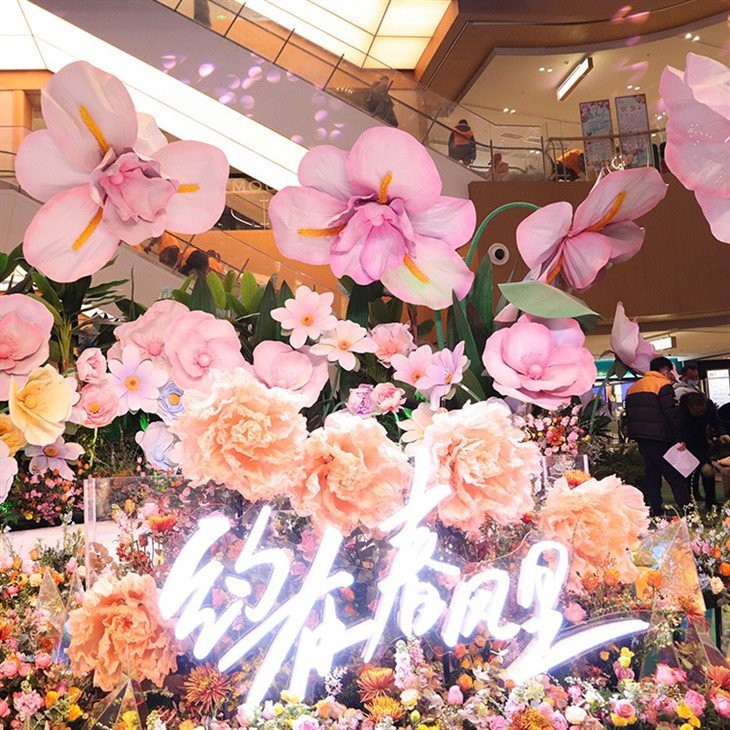

The Role of Lighting in Wayfinding
Lighting can also assist shoppers in finding their way around the mall. Well - lit signage and directional markers can be easily seen, guiding shoppers to different stores, entrances, and exits. For example, illuminated signs can be installed above escalators and elevators, making it clear where they lead.
In addition, lighting can be used to create a sense of hierarchy in the mall's layout. Main corridors can be more brightly lit than side aisles, indicating the primary routes for shoppers. This helps to reduce confusion and makes the shopping experience more efficient.
Conclusion
In conclusion, lighting effects are an essential part of shopping mall decoration. By using general lighting, accent lighting, color lighting, and integrating lighting into architectural features, shopping malls can create a unique and attractive environment for shoppers. Interactive lighting and energy - efficient solutions can further enhance the shopping experience and reduce operational costs. As a [Shopping Malls Decorative] supplier, I'm committed to providing high - quality lighting products and innovative solutions to meet the diverse needs of my clients.
If you're interested in enhancing the lighting effects of your shopping mall, I'd love to have a discussion with you. Contact me to start a procurement negotiation and let's work together to create a stunning shopping environment.
References
- Lighting Handbook: Reference and Application, 10th Edition by Illuminating Engineering Society of North America
- Architectural Lighting Design by David M. Pogue