

What are the suitable decorative for shopping mall play areas?
Jul 14, 2025
Leave a message
As a seasoned supplier in the field of shopping malls decorative, I've had the privilege of witnessing the transformation of shopping mall play areas over the years. These spaces are no longer just simple corners for kids to burn off energy; they've evolved into immersive, engaging environments that contribute significantly to the overall shopping experience. In this blog, I'll share insights on the suitable decorations for shopping mall play areas, drawing from my extensive experience and industry knowledge.
The Importance of Decorations in Shopping Mall Play Areas
Before delving into specific decoration ideas, it's crucial to understand why decorations matter in shopping mall play areas. Firstly, well - designed decorations can attract families to the play area. In a competitive shopping landscape, a visually appealing play area can be a major draw, enticing shoppers to spend more time in the mall. Secondly, decorations can enhance the play experience. They can create themes and settings that spark children's imagination, making playtime more fun and educational. Lastly, appropriate decorations can reinforce the mall's brand image. A cohesive and well - thought - out play area decoration can align with the mall's overall aesthetic and values.
Colorful and Soft Materials
One of the most fundamental aspects of play area decoration is the use of colorful and soft materials. Children are naturally drawn to bright colors, which can stimulate their visual senses and create a cheerful atmosphere. Soft materials, on the other hand, ensure safety during play. For example, rubber mats in various colors can be used to cover the floor. These mats not only provide a cushioned surface but can also be designed with patterns such as animals, stars, or geometric shapes.
Soft wall panels are another great option. They can be made of materials like felt or foam and printed with vivid images. For instance, a panel depicting a forest scene with trees, birds, and squirrels can transport children to a magical world. These wall panels also help to absorb noise, making the play area more pleasant for both kids and parents.
Interactive Elements
In today's digital age, interactive decorations are a must - have in shopping mall play areas. These elements can bridge the gap between traditional play and modern technology, keeping children engaged for longer periods. One example is interactive light displays. LED lights can be programmed to change colors in response to children's movements or touch. This not only adds an element of surprise but also encourages physical activity.
Another interactive option is projection mapping. A large wall or floor area can be transformed into an interactive game using projection technology. For example, a projected soccer field where children can "kick" the ball by stepping on the projected area. These interactive elements not only provide entertainment but also promote learning and development, such as hand - eye coordination and spatial awareness.
Theme - Based Decorations
Theme - based decorations can elevate the play area to a whole new level. They create a cohesive and immersive environment that captures children's imagination. Popular themes include fairy tales, space, and the ocean.
If the theme is a fairy tale, decorations can include life - sized characters from the story, such as Cinderella's carriage or Snow White's cottage. These can be made from fiberglass or wood and painted with high - quality, non - toxic paints. Decoration Large Flower Props can also be incorporated into a fairy - tale theme, adding a touch of magic. They can be used to create flower gardens or as part of a princess's castle.
For a space - themed play area, decorations can include models of rockets, planets, and stars. Glow - in - the - dark stickers can be used on the walls and ceiling to create a realistic night sky effect. Children can pretend to be astronauts exploring the universe.
An ocean - themed play area can feature large murals of the ocean floor, complete with colorful fish, coral reefs, and sea turtles. Plastic or resin sculptures of sea creatures can be placed around the area, allowing children to interact with them.
Nature - Inspired Decorations
Bringing nature into the play area is a growing trend. It not only provides a calming and refreshing atmosphere but also educates children about the environment. Potted plants can be placed strategically around the play area. Small, non - toxic plants like succulents or ferns are easy to maintain and add a touch of greenery.
Natural materials such as wood and stone can also be used in the decoration. For example, a wooden climbing structure can be built to resemble a tree trunk, with branches for children to hold onto. Stone sculptures or boulders can be used as seating areas or part of an obstacle course.
Safety Considerations
When choosing decorations for shopping mall play areas, safety is of utmost importance. All materials used should be non - toxic, fire - resistant, and free from sharp edges or small parts that could pose a choking hazard. Decorations should be securely installed to prevent them from falling or tipping over.
Regular inspections should be carried out to ensure that the decorations are in good condition. Any signs of wear and tear should be addressed immediately to avoid accidents.
Conclusion
In conclusion, the suitable decorations for shopping mall play areas are diverse and multifaceted. By combining colorful and soft materials, interactive elements, theme - based designs, nature - inspired features, and ensuring safety, a play area can become a vibrant and engaging space for children and their families.

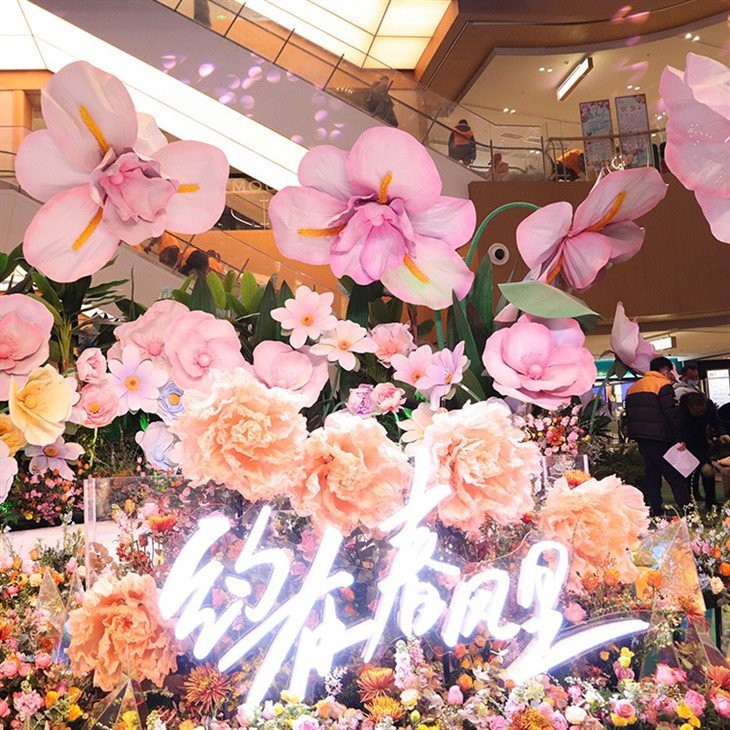
As a shopping malls decorative supplier, I'm passionate about helping malls create unique and memorable play areas. If you're interested in enhancing your shopping mall's play area with high - quality decorations, I invite you to contact me for a detailed discussion and procurement options. I have a wide range of products and solutions to meet your specific needs and budget.
References
- Designing Children's Spaces: A Guide to Creating Environments for Learning and Play by Sara A. Miller
- The Handbook of Children's Play: Endorsed by the National Association for the Education of Young Children by David Elkind
- Play and Learning in the Early Years: A Guide for Practitioners by Sue Rogers and Janet Moyles