

What are the psychological effects of shopping malls decorative on consumers?
Nov 06, 2025
Leave a message
Hey there! I'm a supplier in the shopping malls decorative business, and I've seen firsthand how mall decorations can work their magic on consumers. In this blog, I'm gonna dig into the psychological effects of shopping malls' decorative elements on shoppers.
Let's start with the basics. When you walk into a shopping mall, the first thing that hits you is the overall atmosphere created by the decorations. It's like a warm hug or a cool breeze, depending on how they're done. For instance, during the holiday season, malls go all out with twinkling lights, giant Christmas trees, and snow - themed decorations. These elements create a sense of joy and excitement. Research has shown that when people are in a positive emotional state, they're more likely to make purchases. A study by the Journal of Consumer Psychology found that consumers in a happy mood tend to spend about 15 - 20% more than those in a neutral or negative mood.
One of the most powerful decorative elements is color. Different colors evoke different emotions. Red, for example, is associated with energy, passion, and urgency. That's why you often see red used in sales signs or clearance sections. It grabs your attention and makes you feel like you need to act fast. Blue, on the other hand, is calming and trustworthy. Malls might use blue in areas where they want shoppers to relax, like in a lounge or a high - end store. According to a color psychology report, blue can increase the perceived value of a product by up to 10%.
Another aspect is the use of natural elements. Many modern malls are incorporating plants, water features, and natural light into their decorations. Natural elements have a calming effect on people. They reduce stress and make shoppers feel more at ease. A research paper from the University of Washington showed that malls with natural elements had shoppers staying about 25% longer than those without. When people are relaxed and comfortable, they're more likely to explore the mall, visit more stores, and make more purchases.
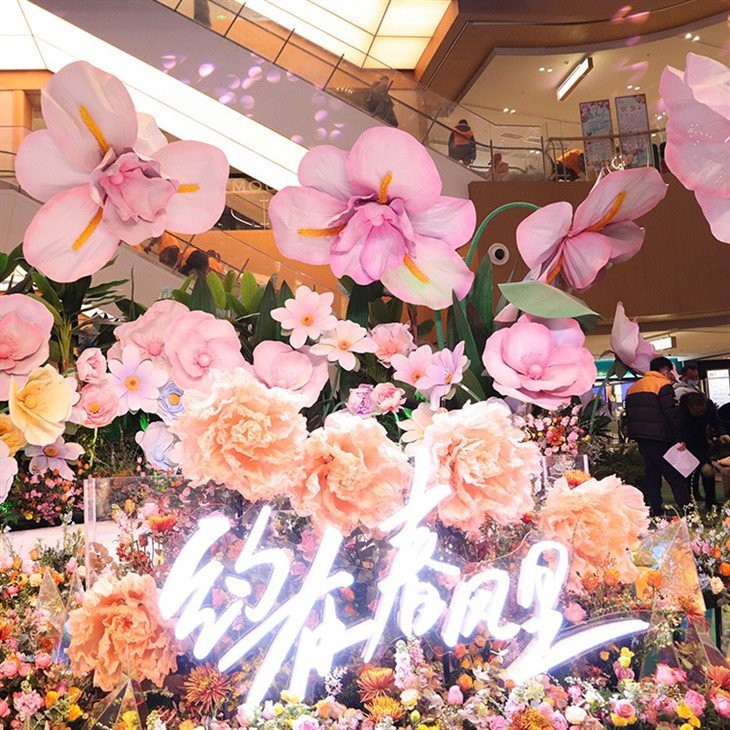
Now, let's talk about the use of props. One of the popular items in mall decorations is the Decoration Large Flower Props. These large flower props can transform a dull mall space into a vibrant and inviting area. Flowers are often associated with beauty, freshness, and positivity. When shoppers see these large flower props, they're likely to feel a sense of well - being. They might stop to take pictures, which not only adds to their experience but also serves as free advertising for the mall on social media.
The layout of decorations also plays a huge role. Strategic placement of decorative elements can guide shoppers through the mall. For example, a long corridor with beautiful wall art or hanging decorations can entice shoppers to keep walking and discover new stores. This is known as the "path of least resistance" principle in consumer behavior. If the decorations make the journey through the mall enjoyable, shoppers are more likely to follow the intended path and explore more areas.
Music is also an important part of the overall decorative experience in malls. Soft, pleasant music can enhance the mood and make the shopping environment more appealing. A study in the International Journal of Retail & Distribution Management found that playing slow - tempo music in a mall could increase the average time shoppers spent in the mall by about 18%. Fast - paced music, on the other hand, might be used in areas where the goal is to create a sense of energy, like in a sports store or a food court.
Moreover, the use of seasonal decorations can create a sense of nostalgia. For example, back - to - school decorations with chalkboards and backpacks can bring back memories of childhood for adults. This nostalgia can make shoppers more emotional and more likely to make impulse purchases. A study on nostalgia in consumer behavior found that nostalgic feelings could increase the likelihood of a purchase by up to 30%.
In addition to all these, interactive decorations are becoming more and more popular. For example, some malls have installed digital screens that allow shoppers to interact with the decorations. This not only provides entertainment but also makes shoppers feel more involved in the mall environment. Interactive decorations can increase the time shoppers spend in the mall and also create a more memorable experience.
As a shopping malls decorative supplier, I know how important it is to get these elements right. The right combination of colors, props, music, and layout can have a profound impact on consumers' psychology. It can turn a casual shopper into a loyal customer.
If you're a mall owner or a manager, and you're looking to enhance your mall's decorative elements to create a better shopping experience for your customers, I'd love to have a chat with you. We can discuss your specific needs, budget, and the overall vision for your mall. By working together, we can create a shopping environment that not only looks great but also has a positive psychological effect on your shoppers.
References

- Journal of Consumer Psychology. "The Impact of Mood on Consumer Spending."
- Color Psychology Report. "The Effects of Color on Product Perception."
- University of Washington. "The Influence of Natural Elements in Shopping Malls."
- International Journal of Retail & Distribution Management. "The Role of Music in the Shopping Environment."
- Study on Nostalgia in Consumer Behavior. "Nostalgia and Impulse Purchases."