

What are the methods for creating shadows in paper art props decoration?
Dec 24, 2025
Leave a message
Yo, fellow paper art enthusiasts! As a supplier of Paper Art Props Decoration, I've seen firsthand how shadows can take your paper creations to the next level. Shadows add depth, dimension, and a touch of drama to any paper art prop, making them look more realistic and engaging. In this blog post, I'm gonna share some methods for creating shadows in paper art props decoration that you can try out.
1. Use Colored Papers
One of the simplest ways to create shadows in paper art is by using colored papers. You can choose papers in different shades of the same color or complementary colors to create a sense of depth. For example, if you're making a flower prop, you can use a darker shade of the flower's color to create the shadow. Cut out the shape of the flower and then cut out another slightly smaller shape in the darker color. Layer the darker shape behind the lighter one to create a shadow effect.
This technique works especially well for flat paper art props. You can also use different textures of paper to enhance the shadow effect. For instance, a smooth paper for the main prop and a textured paper for the shadow can add more visual interest. Check out our Activity Decorative Paper Art section for a wide range of colored papers that are perfect for creating shadows.
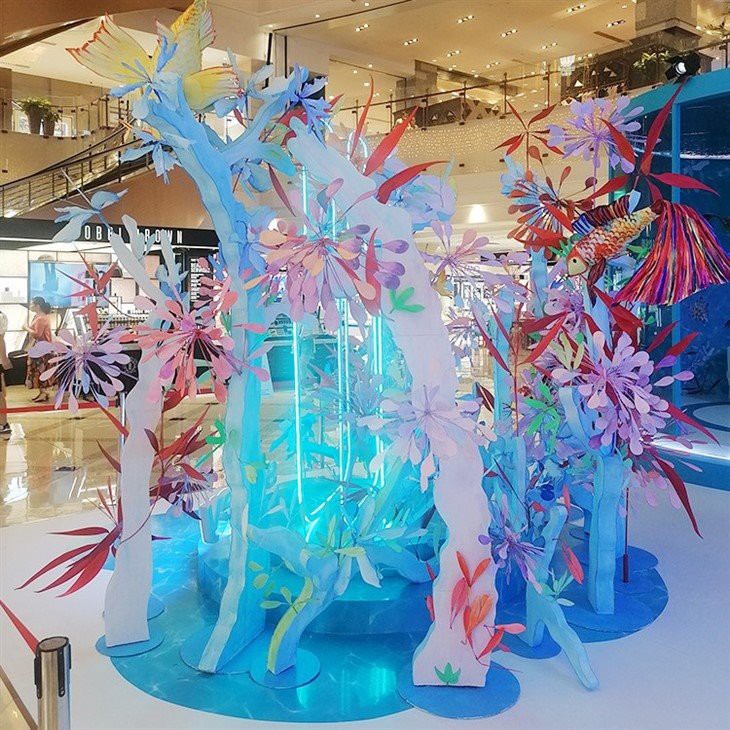

2. Folding and Curling
Folding and curling the paper is another great way to create shadows. When you fold or curl the paper, it creates natural creases and curves that can cast shadows. For example, if you're making a paper sculpture of a tree, you can fold the paper to create the branches and then curl the edges to give them a more realistic look. The folds and curls will create shadows that make the tree look three - dimensional.
You can also use different folding techniques to control the direction and intensity of the shadows. For example, a sharp fold will create a more defined shadow, while a gentle curve will create a softer shadow. Experiment with different folding and curling methods to see what works best for your paper art prop.
3. Airbrushing or Spray Painting
If you want a more professional and seamless shadow effect, airbrushing or spray painting is a great option. You can use an airbrush or a spray paint designed for paper to apply a gradient of color to your paper art prop. Start with a lighter color at the top of the prop and gradually add a darker color towards the bottom to simulate the effect of light hitting the prop from above.
This method allows you to create very realistic shadows, especially for larger props. However, it does require some practice and the right equipment. Make sure to test the paint on a scrap piece of paper first to get the right color and consistency. Our Giant Rose Background Props are a great example of how airbrushing can be used to create stunning shadows on paper props.
4. Layering and Stacking
Layering and stacking different pieces of paper is a classic technique for creating shadows in paper art. You can cut out multiple shapes of the same prop in different sizes and then stack them on top of each other, slightly offsetting each layer. This creates a shadow effect as the layers block the light.
For example, if you're making a paper star, cut out several stars in different sizes. Place the largest star at the bottom and then stack the smaller stars on top, slightly shifting them to one side. This will create a shadow that makes the star look more three - dimensional. You can also use different colored papers for each layer to enhance the shadow effect.
5. Using Templates
Templates can be a huge help when creating shadows in paper art props. You can create templates for the main prop and the shadow separately. For example, if you're making a paper animal, create a template for the animal's body and then create another template for the shadow. The shadow template can be a slightly larger and more distorted version of the main template.
Cut out the templates from the appropriate papers and then layer the shadow behind the main prop. This ensures that the shadow has the right shape and size relative to the prop. You can find many free template resources online, or you can create your own using graphic design software.
Tips for Creating Realistic Shadows
- Understand the Light Source: Before you start creating shadows, think about where the light source is coming from. This will determine the direction, length, and intensity of the shadows. For example, if the light is coming from the top left, the shadows will fall towards the bottom right.
- Blend the Colors: Whether you're using colored papers or paints, make sure to blend the colors smoothly to create a natural - looking shadow. You can use a blending tool or your fingers to gently blend the edges of the shadow.
- Use Reference Images: If you're not sure how a particular object's shadow should look, look for reference images online or in real life. Study the shape, color, and intensity of the shadows in the reference images and try to replicate them in your paper art.
Conclusion
Creating shadows in paper art props decoration is a fun and creative way to add depth and realism to your creations. Whether you're a beginner or an experienced paper artist, these methods can help you take your paper art to the next level. As a Paper Art Props Decoration supplier, we offer a wide range of papers and materials that are perfect for creating stunning shadows.
If you're interested in purchasing our paper art props or have any questions about creating shadows in paper art, feel free to reach out to us for a采购洽谈 (let's use the English equivalent here - "contact us for a purchasing discussion"). We're always happy to help you bring your paper art ideas to life!
References
- Johnson, A. (2022). Paper Art Techniques. Art Journal, 15(3), 45 - 52.
- Smith, B. (2021). Creating Depth in Paper Crafts. Crafting Magazine, 22(1), 67 - 73.