

What are the key elements of brand event decoration?
Dec 01, 2025
Leave a message
As a dedicated supplier in the field of brand event decoration, I've had the privilege of being involved in numerous high - profile brand events. Over the years, I've identified several key elements that are crucial for creating a memorable and impactful brand event decoration.
1. Theme and Concept
The theme and concept are the very foundation of brand event decoration. They set the overall mood and direction for the entire event. A well - defined theme helps to create a cohesive look and feel, making it easier for attendees to connect with the brand. For example, if a brand is launching a new line of luxury products, a theme centered around elegance and sophistication might be appropriate. This could involve using rich colors like gold, silver, and black, along with luxurious materials such as velvet and crystal.
When developing a theme, it's essential to align it with the brand's values, mission, and target audience. Conducting in - depth research on the brand and its customers can provide valuable insights. For instance, if the brand targets a young and trendy demographic, a modern and edgy theme might be more appealing. The theme should also be unique and creative to stand out from the competition. It could be inspired by various sources such as current trends, cultural references, or the brand's history.
2. Color Scheme
Color plays a vital role in brand event decoration. Different colors evoke different emotions and can have a significant impact on how attendees perceive the brand. For example, red is often associated with passion, energy, and excitement, making it a great choice for a high - energy event. Blue, on the other hand, conveys trust, reliability, and calmness, which is suitable for a corporate event.
When selecting a color scheme, it's important to consider the brand's existing color palette. Incorporating the brand's signature colors into the event decoration helps to reinforce brand recognition. However, it's also possible to introduce complementary colors to add depth and visual interest. A balanced color scheme creates a harmonious and inviting atmosphere. For instance, using a combination of primary and secondary colors in the right proportions can make the event space look vibrant and engaging.
3. Lighting
Lighting is another key element that can transform the look and feel of a brand event. It can be used to highlight key areas, create a specific mood, and enhance the overall visual impact. There are various types of lighting that can be utilized, such as ambient lighting, accent lighting, and stage lighting.
Ambient lighting provides the general illumination for the event space. It should be bright enough to allow attendees to move around comfortably but not so bright that it overwhelms the other decorative elements. Accent lighting, on the other hand, is used to draw attention to specific features, such as a display or a focal point. It can add drama and depth to the decoration. Stage lighting is crucial for events with performances or presentations, as it helps to illuminate the stage and make the performers or speakers visible.
For example, using soft, warm lighting can create a cozy and inviting atmosphere, while bright, cool lighting can give a modern and energetic feel. Lighting can also be used to create special effects, such as spotlights or colored gels, to enhance the theme and concept of the event.
4. Decorative Props
Decorative props are essential for adding personality and visual interest to the event space. They can range from simple items like balloons and flowers to more elaborate pieces such as sculptures and backdrops. When choosing decorative props, it's important to ensure that they are in line with the theme and concept of the event.
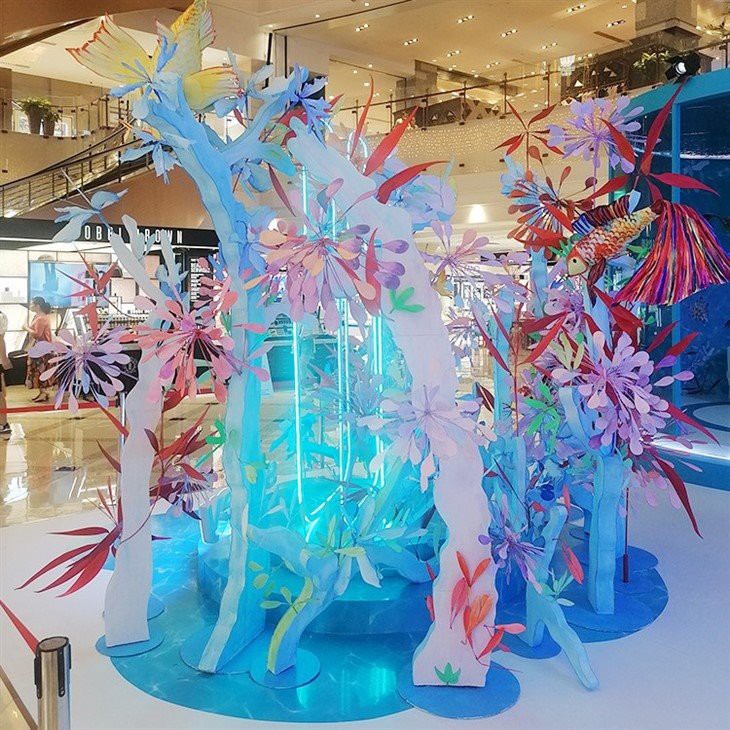
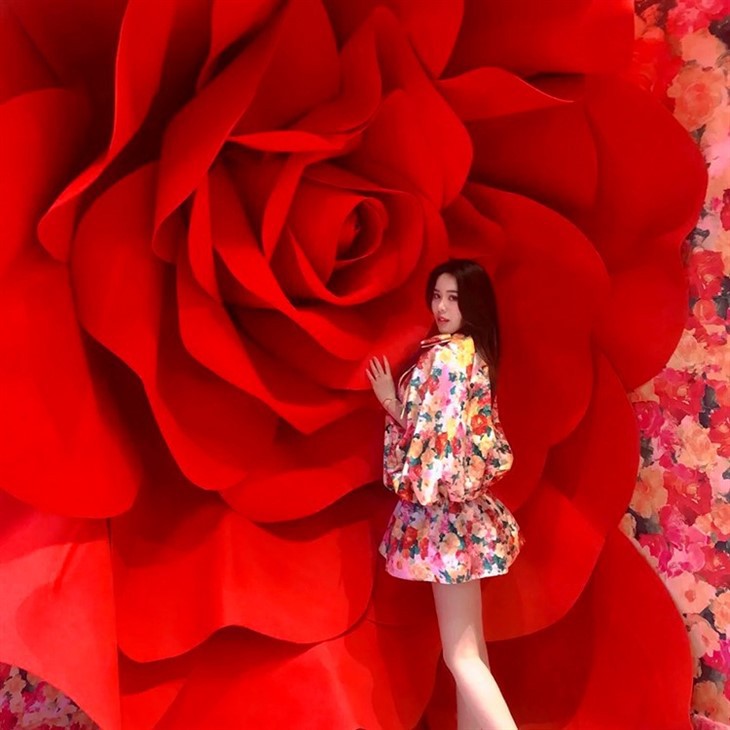
Giant Rose Background Props are a great example of a unique and eye - catching prop. They can create a romantic and elegant backdrop for photo opportunities or as a focal point in the event space. Activity Decorative Paper Art is another option that can add a touch of creativity and playfulness to the event. These paper art pieces can be used to decorate walls, tables, or even create interactive displays.
Props should also be of high quality to ensure that they look good and last throughout the event. They should be carefully arranged and placed to create a balanced and aesthetically pleasing composition.
5. Furniture and Seating
The furniture and seating arrangements in a brand event can significantly impact the comfort and experience of the attendees. Comfortable seating is essential, especially for events that involve long periods of sitting, such as conferences or seminars. The style of the furniture should also match the theme and concept of the event.
For a formal corporate event, traditional and elegant furniture might be appropriate. This could include leather chairs and wooden tables. For a more casual and trendy event, modern and colorful furniture can be used to create a relaxed and inviting atmosphere. The layout of the furniture should be well - thought - out to ensure that there is enough space for attendees to move around and interact.
6. Signage and Branding Elements
Signage and branding elements are crucial for promoting the brand and guiding attendees throughout the event. Clear and visible signage helps attendees find their way around the event space, locate different areas such as registration desks, restrooms, and exhibition booths. Branding elements, such as logos, banners, and displays, help to reinforce brand identity and create a cohesive brand experience.
The signage should be designed in a way that is consistent with the brand's visual identity. It should use the brand's colors, fonts, and logo. Branding elements can be placed strategically throughout the event space, such as at the entrance, on the stage, and in the exhibition areas. This helps to ensure that the brand is visible and memorable to the attendees.
7. Audio - Visual Elements
Audio - visual elements, such as videos, projections, and sound systems, can enhance the overall experience of the brand event. Videos and projections can be used to showcase the brand's products, services, or brand story. They can add a dynamic and engaging element to the event.
A high - quality sound system is essential for ensuring that the audio is clear and audible throughout the event space. It can be used for speeches, presentations, music, and other audio content. The audio - visual elements should be synchronized and integrated with the other decorative elements to create a seamless and immersive experience.
8. Sustainability
In today's world, sustainability is becoming an increasingly important consideration in brand event decoration. Using eco - friendly materials and practices not only helps to reduce the environmental impact of the event but also enhances the brand's reputation.
For example, using recycled materials for decorative props, choosing energy - efficient lighting, and reducing waste can all contribute to a more sustainable event. Brands can also communicate their commitment to sustainability to the attendees, which can help to build a positive brand image.
Conclusion
In conclusion, creating a successful brand event decoration requires careful planning and consideration of these key elements. Each element plays a crucial role in creating a memorable and impactful event that effectively communicates the brand's message and values. As a brand event decoration supplier, I am committed to providing high - quality and innovative decoration solutions that meet the unique needs of each brand.
If you are planning a brand event and are looking for a reliable and experienced decoration supplier, I would be delighted to discuss your requirements. Whether it's a small corporate gathering or a large - scale product launch, I have the expertise and resources to bring your vision to life. Let's work together to create an unforgettable brand event.
References
- Kotler, P., & Armstrong, G. (2010). Principles of Marketing. Pearson Prentice Hall.
- Solomon, M. R., Bamossy, G. J., Askegaard, S., & Hogg, M. K. (2013). Consumer Behavior: Buying, Having, and Being. Pearson.
- Rosenbaum, M. S., & Massiah, A. (2011). Event Marketing: How to Plan, Promote, and Present Successful Events for Any Organization. AMACOM.