

What are the common mistakes in brand event decoration?
Oct 22, 2025
Leave a message
Hey there! As a supplier in the brand event decoration business, I've seen my fair share of events, both the ones that were a total hit and the ones that, well, didn't quite hit the mark. Today, I'm gonna share some of the common mistakes I've noticed in brand event decoration. By being aware of these pitfalls, you can make sure your next brand event looks amazing and leaves a lasting impression on your guests.
1. Ignoring the Brand Identity
One of the biggest blunders I've witnessed is when event decorators completely overlook the brand's identity. Your brand has a unique personality, values, and visual style, and the event decoration should reflect that. For example, if your brand is all about being eco - friendly and sustainable, using tons of single - use plastic decorations would be a major no - no.
A brand event is an opportunity to reinforce your brand image. So, before you start picking out decorations, take the time to understand the brand's logo, color scheme, and overall message. Incorporate elements like the brand's signature colors into the backdrop, tablecloths, or lighting. You can also use the brand's logo on banners, signage, or even on decorative items like Activity Decorative Paper Art. This way, the event will not only look great but also help strengthen the brand in the minds of the attendees.
2. Overcrowding the Space
You might think that more decorations mean a better - looking event, but that's not always the case. Overcrowding the event space with too many decorative elements can make the place look cluttered and chaotic. It can also be overwhelming for the guests, making it difficult for them to focus on the main attractions of the event.
When planning the decoration, consider the flow of the event and the available space. Leave enough room for guests to move around comfortably. For instance, if you're decorating a trade show booth, don't fill every inch of it with props and displays. Instead, create a balanced layout with focal points and open areas. You can use Giant Rose Background Props as a stunning focal point without overcrowding the space. These large - scale props can draw attention and add a touch of elegance without taking up too much room.
3. Poor Lighting Choices
Lighting can make or break an event. Bad lighting can make a beautifully decorated space look dull and uninviting. I've seen events where the lighting was either too bright, causing glare and discomfort, or too dim, making it hard for guests to see anything.
When it comes to lighting, you need to think about the mood you want to create. For a formal corporate event, soft, ambient lighting might be more appropriate. On the other hand, for a lively party, you could use colored lights and spotlights to add some energy. You can also use lighting to highlight important areas or decorative elements. For example, shining a spotlight on a large centerpiece or a branded display can make it stand out.
Another mistake is not considering the natural light in the venue. If the event is during the day, try to work with the natural light sources. You can use sheer curtains to diffuse the sunlight and create a warm, inviting atmosphere. And if you're using artificial lighting, make sure it complements the natural light and doesn't create harsh contrasts.
4. Lack of Coordination
In some cases, the different elements of the decoration just don't seem to work together. It's like they were chosen randomly without any thought for how they would look as a whole. For example, having a modern - style backdrop with old - fashioned furniture or using a bright, bold color scheme in one area and a muted, pastel color scheme in another can make the event look disjointed.
To avoid this, create a cohesive design plan. Start by choosing a theme or a concept for the event and then select decorations that fit that theme. Make sure the colors, textures, and styles of all the decorative elements are coordinated. If you're using different types of props, like balloons, flowers, and signage, make sure they all have a similar aesthetic. You can also create a mood board or a mock - up of the event space to visualize how everything will look together before you start setting up.

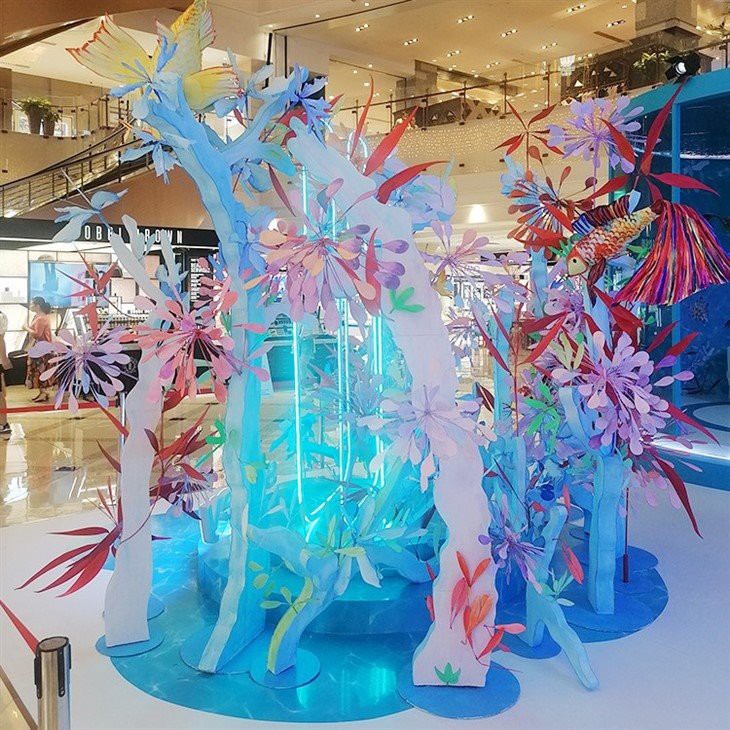
5. Forgetting about Functionality
While the decorations are important for creating a visually appealing event, you can't forget about functionality. I've been to events where the decorations were so elaborate that they got in the way of the guests' experience. For example, having large, obstructive decorations near the entrance or exit can cause traffic jams and make it difficult for people to enter or leave the venue.
When planning the decoration, think about how the space will be used. If there are areas for food and drinks, make sure the decorations don't interfere with the service. Also, consider the needs of the guests. For example, if there are seating areas, make sure the decorations don't block the view or make the seats uncomfortable. You want the decorations to enhance the event, not hinder it.
6. Not Considering the Audience
Different audiences have different preferences and expectations when it comes to event decoration. If you're hosting an event for a young, trendy crowd, you might want to go for a more modern and edgy decoration style. On the other hand, if it's an event for an older, more conservative audience, a classic and elegant style might be more appropriate.
Do some research on your target audience before choosing the decorations. Find out what kind of things they like and what would appeal to them. You can also get feedback from your clients or the event organizers to understand the audience better. By tailoring the decoration to the audience, you can create an event that resonates with them and makes them feel more engaged.
7. Skipping the Budget
Budget is an important factor in event decoration. I've seen many events where the organizers went overboard with the decorations and ended up spending way more than they had planned. This can lead to financial stress and might even affect the overall success of the event.
Before you start shopping for decorations, set a realistic budget. Make a list of all the items you need and estimate the costs. Look for cost - effective options without compromising on quality. You can often find great deals on decorations if you shop around or buy in bulk. And don't forget to leave some room in the budget for unexpected expenses.
How to Avoid These Mistakes
Now that you know about these common mistakes, you're probably wondering how to avoid them. Well, the first step is to plan ahead. Take the time to understand the brand, the event goals, the venue, and the audience. Create a detailed plan that includes all the elements of the decoration, from the big - ticket items like backdrops and props to the small details like table settings and signage.
Next, work with a professional event decorator or a reliable supplier. As a brand event decoration supplier, I can help you choose the right decorations, stay within your budget, and ensure that everything is coordinated and functional. I have the experience and the knowledge to create a beautiful and successful event for you.
If you're interested in learning more about brand event decoration or if you're planning an upcoming event and need some help with the decoration, don't hesitate to reach out. I'm here to assist you in creating an event that will leave a lasting impression on your guests and help promote your brand.
References
- Event Design and Production: Best Practices in the Industry. A collection of industry - wide tips and guidelines on event planning and decoration.
- Lighting for Events: A Handbook. A resource on understanding and using lighting effectively in event settings.
- Branding and Event Marketing: Connecting the Dots. A guide on how to incorporate brand identity into event decoration.