

How to use multi - sensory elements in shopping malls decorative?
Jul 16, 2025
Leave a message
In the highly competitive retail landscape, shopping malls are constantly seeking innovative ways to attract and retain customers. One effective strategy is the use of multi - sensory elements in decoration. As a dedicated shopping malls decorative supplier, I have witnessed firsthand how these elements can transform a shopping environment, creating a more immersive and memorable experience for shoppers.
Understanding Multi - Sensory Elements
Multi - sensory elements involve engaging multiple senses simultaneously. In the context of shopping mall decoration, this typically includes sight, sound, smell, touch, and even taste in some cases. Each sense plays a unique role in shaping the overall perception of the space.
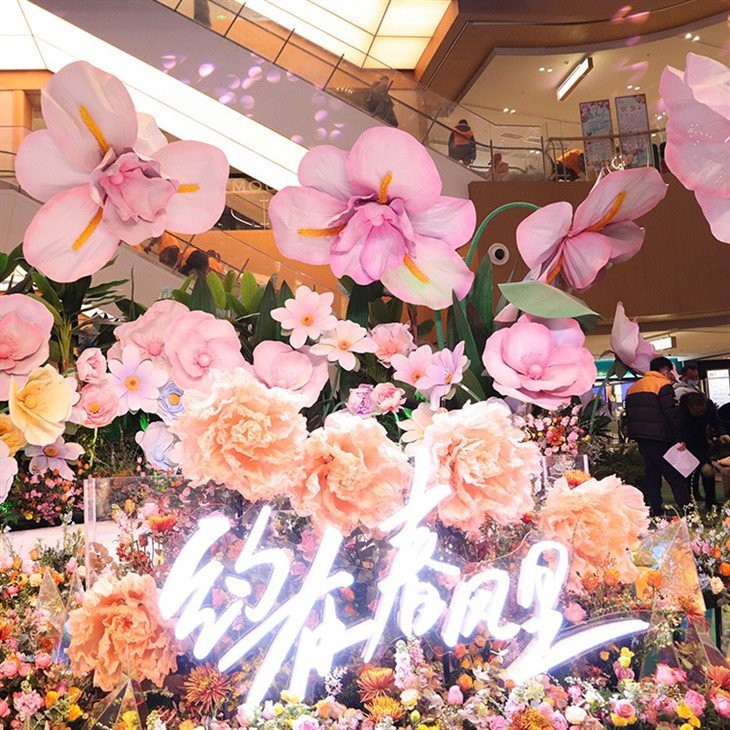
Sight: Visual elements are perhaps the most obvious in mall decoration. Bright colors, unique architectural features, and eye - catching displays can draw customers in. For example, large - scale installations such as Decoration Large Flower Props can serve as focal points, creating a sense of wonder and excitement. These flower props can be used to decorate atriums, entrances, or specific retail areas, adding a touch of nature and beauty to the otherwise urban environment.
Sound: Sound can set the mood and atmosphere of a shopping mall. Soft background music can create a relaxing and inviting environment, while upbeat music can energize shoppers. Sound effects, such as the gentle sound of water in a fountain or the chirping of birds in a nature - themed area, can also enhance the sensory experience. For instance, a mall with a tropical theme might play the sound of ocean waves to transport shoppers to a beach paradise.
Smell: Aroma is a powerful sense that can evoke emotions and memories. Using scented diffusers in common areas or near specific stores can create a pleasant and memorable experience. For example, a bakery section might have the smell of freshly baked bread wafting through the air, enticing customers to visit. Similarly, a perfume store could use a subtle, high - end fragrance in its vicinity to enhance the shopping experience.
Touch: Incorporating tactile elements allows shoppers to interact with the environment. Textured walls, soft seating, or interactive displays can encourage physical engagement. For example, a children's area might have soft play mats and plush toys for kids to touch and play with, while an art - inspired section could feature sculptures with interesting textures for visitors to feel.
Taste: Although less common, taste can also be a part of the multi - sensory experience in a shopping mall. Food courts and cafes offer a variety of tastes, and some malls even host food festivals or sampling events. This not only provides a chance for shoppers to try new foods but also adds to the overall enjoyment of the shopping trip.
Implementing Multi - Sensory Elements in Shopping Mall Decoration
Planning and Design
The first step in using multi - sensory elements is to develop a comprehensive plan. This involves understanding the target audience, the overall theme of the mall, and the specific areas where these elements will be implemented. For example, if the mall targets a young and trendy demographic, the design might focus on modern and edgy visual elements, energetic music, and unique scents.
When designing the layout, it's important to consider how the different sensory elements will work together. For instance, a visual display near a scented area should complement the aroma. A nature - themed display with flowers and trees could be paired with the smell of fresh pine or lavender.
Visual Decoration
Visual elements are the foundation of shopping mall decoration. In addition to large - scale installations like the Decoration Large Flower Props, signage, lighting, and color schemes also play crucial roles. High - quality signage should be clear and easy to read, guiding shoppers to different stores and amenities. Lighting can be used to create different moods, such as bright and inviting in common areas and more subdued in intimate stores.
Color psychology also comes into play. Warm colors like red and orange can create a sense of excitement and urgency, making them suitable for sales areas. Cool colors like blue and green, on the other hand, can promote relaxation and calmness, which is ideal for areas where shoppers might want to take a break.
Sound Integration
Sound systems should be carefully planned to ensure even coverage throughout the mall. The volume of the music or sound effects should be adjusted so that it is not too loud to be overwhelming but still audible enough to enhance the atmosphere. Different areas of the mall might require different types of music. For example, a high - end fashion store might play classical music to create an elegant and sophisticated atmosphere, while a sports store could have upbeat pop or rock music to match the energetic nature of the products.
Aroma Management
When using scents, it's important to choose fragrances that are appropriate for the mall's theme and target audience. The intensity of the scent should also be carefully controlled. Overpowering scents can be off - putting to shoppers, while a subtle and pleasant aroma can enhance the experience. Scent diffusers should be placed strategically in areas with good air circulation to ensure even distribution.
Tactile and Taste Elements
Tactile elements should be safe and clean, especially in areas where children or a large number of people will interact with them. Regular maintenance is required to keep these elements in good condition. In terms of taste, food vendors should ensure high - quality and diverse offerings to satisfy different palates. The food court area should be well - ventilated to prevent unpleasant odors from spreading throughout the mall.
Benefits of Using Multi - Sensory Elements
Enhanced Customer Experience
The primary benefit of using multi - sensory elements is the creation of a more immersive and enjoyable shopping experience. Shoppers are more likely to stay longer in a mall that engages their senses, which can lead to increased spending. For example, a shopper who is drawn in by a beautiful visual display, relaxes to the sound of music, and enjoys a pleasant smell is more likely to browse the stores and make purchases.
Differentiation from Competitors
In a crowded market, multi - sensory decoration can set a shopping mall apart from its competitors. A mall that offers a unique and memorable sensory experience is more likely to attract repeat customers and gain a positive reputation. This can help the mall stand out in the minds of shoppers and increase its market share.
Emotional Connection
Multi - sensory elements can create an emotional connection between the mall and the shoppers. When a shopper has a positive sensory experience, they are more likely to associate positive emotions with the mall. This emotional bond can lead to increased loyalty and word - of - mouth recommendations.
Challenges and Solutions in Multi - Sensory Decoration
Cost
Implementing multi - sensory elements can be expensive, especially when it comes to high - quality visual installations, advanced sound systems, and professional aroma management. However, there are cost - effective solutions available. For example, using artificial flowers instead of real ones can reduce the cost of visual decoration, and there are affordable sound systems that still provide good quality audio.
Maintenance
Maintaining multi - sensory elements requires regular attention. Visual displays may need to be cleaned and updated, sound systems may require servicing, and scent diffusers need to be refilled. To address this challenge, a dedicated maintenance team should be established, and a regular maintenance schedule should be followed.
Compatibility
Ensuring that the different sensory elements are compatible with each other can be a challenge. For example, a strong scent might clash with the music or visual theme. To overcome this, careful planning and testing are required. Before full - scale implementation, a small - scale trial can be conducted to evaluate the compatibility of the elements.

Conclusion
As a shopping malls decorative supplier, I believe that the use of multi - sensory elements in mall decoration is a powerful tool for creating a more engaging and successful shopping environment. By carefully planning and implementing these elements, malls can enhance the customer experience, differentiate themselves from competitors, and build a strong emotional connection with shoppers.
If you are interested in incorporating multi - sensory elements into your shopping mall decoration, I invite you to contact me for a detailed consultation. We can work together to create a unique and unforgettable shopping experience for your customers.
References
- Kotler, P., & Armstrong, G. (2010). Principles of Marketing. Pearson Prentice Hall.
- Spence, C. (2015). The multisensory shopper: Understanding and influencing the senses in the retail environment. Routledge.
- Morrin, M., & Ratneshwar, S. (2000). Sensory marketing: The use of atmospherics to influence product evaluations. Journal of Business Research, 49(2), 159 - 168.