

How to store photography paper for art props properly?
Jun 18, 2025
Leave a message
Storing photography paper for art props properly is crucial for maintaining its quality and ensuring its longevity. As a leading supplier of Photography Paper Art Props, I understand the importance of proper storage. In this blog post, I'll share some essential tips on how to store photography paper effectively, so you can keep your art props in pristine condition.
Understanding the Characteristics of Photography Paper
Before delving into storage methods, it's important to understand the characteristics of photography paper. Photography paper is typically made from high - quality materials that are sensitive to environmental factors such as light, humidity, and temperature. Different types of photography paper, such as glossy, matte, or textured, may have varying levels of sensitivity. For instance, glossy paper is more prone to fingerprints and scratches, while matte paper may be more susceptible to dust and static electricity.
Choosing the Right Storage Location
The first step in proper storage is selecting the right location. A cool, dry, and dark place is ideal for storing photography paper. Avoid areas that are exposed to direct sunlight or high humidity, as these conditions can cause the paper to fade, warp, or develop mold.
- Temperature: The ideal temperature for storing photography paper is between 18°C and 22°C (64°F - 72°F). Fluctuations in temperature can cause the paper to expand and contract, leading to warping and damage.
- Humidity: Humidity levels should be maintained between 40% and 50%. High humidity can cause the paper to absorb moisture, making it soft and prone to mold growth. Low humidity, on the other hand, can make the paper brittle and more likely to crack.
- Light: Exposure to light, especially ultraviolet (UV) light, can cause the colors on the photography paper to fade over time. Store the paper in a place where it is protected from direct sunlight and artificial light sources. A closet or a storage cabinet away from windows is a good option.
Selecting Appropriate Storage Containers
Once you've chosen the right location, the next step is to select appropriate storage containers. The containers should be clean, dry, and made of materials that won't react with the paper.
- Archival Boxes: Archival boxes are made from acid - free and lignin - free materials, which help protect the paper from deterioration. They come in various sizes and can be used to store single sheets or stacks of photography paper.
- Plastic Sleeves: Plastic sleeves made from materials like polyethylene or polypropylene can be used to protect individual sheets of photography paper. These sleeves are transparent, allowing you to easily view the paper without removing it from the sleeve. Make sure the sleeves are clean and free of any static electricity before inserting the paper.
- Binders: Binders with acid - free pages are another option for storing photography paper. They are convenient for organizing and displaying the paper, and they can be easily transported.
Storing Different Types of Photography Paper Art Props
As a supplier, we offer a wide range of Photography Paper Art Props, such as Silk Narcissus Combination, Foam Flowers Marigold, and Giant Decorative Paper Art Chrysanthemum Customization. Each type of prop requires specific storage considerations.

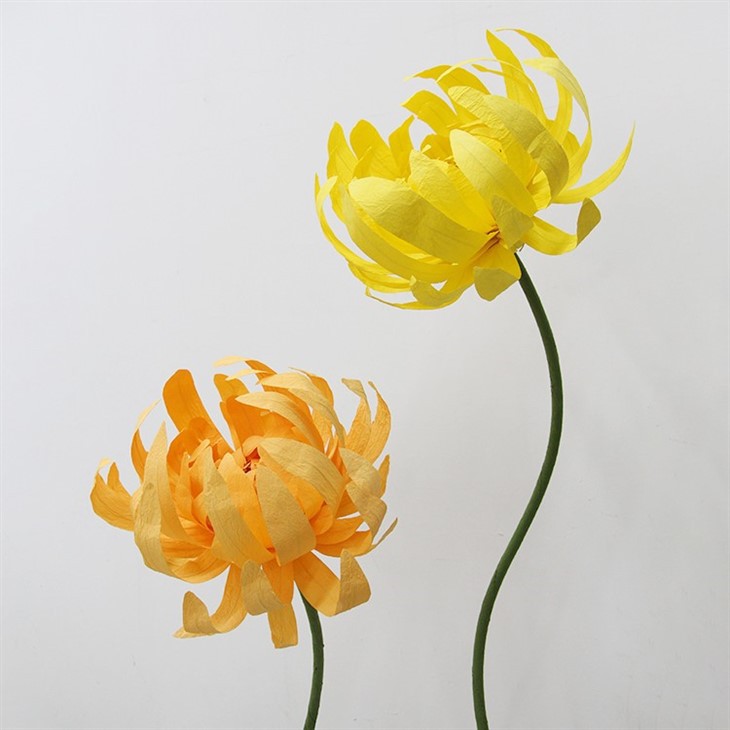
- Paper Flowers: Paper flowers should be stored in a way that prevents them from being crushed. You can use large archival boxes or specially designed flower storage containers. Make sure to separate the flowers with acid - free tissue paper to avoid any color transfer or damage. If the flowers have delicate petals, you may want to use supports or molds to keep their shape.
- Cut - out Props: Cut - out props, such as letters or shapes, should be stored flat to prevent warping. Place them in archival boxes or plastic sleeves and stack them carefully to avoid any bending or creasing.
- Three - Dimensional Props: Three - dimensional props may require more specialized storage. For example, large paper sculptures should be stored in a custom - made box that provides enough space to prevent them from being squashed. You can also use padding materials like bubble wrap or foam to protect the delicate parts of the prop.
Handling and Moving Stored Paper
When handling and moving stored photography paper, it's important to take extra care to avoid damage.
- Clean Hands: Always wash your hands thoroughly before handling the paper to prevent transferring oils, dirt, or moisture to the paper. You can also wear cotton gloves to further protect the paper.
- Gentle Handling: When removing the paper from storage containers, handle it gently to avoid creasing or tearing. Lift the paper by its edges or use a clean, flat tool to slide it out.
- Proper Moving: If you need to move the stored paper, make sure to use a sturdy box or container that provides adequate protection. Avoid jostling or shaking the container during transportation.
Regular Inspection and Maintenance
Regular inspection and maintenance of the stored photography paper are essential to ensure its long - term preservation.
- Inspection: Check the stored paper periodically for any signs of damage, such as mold, fading, or warping. If you notice any issues, take immediate action to address them.
- Cleaning: If the paper gets dirty, use a soft, dry brush or a clean, lint - free cloth to gently remove the dust. Avoid using any cleaning agents or solvents, as they can damage the paper.
Conclusion
Proper storage of photography paper for art props is essential for maintaining its quality and appearance. By following the tips outlined in this blog post, you can ensure that your Photography Paper Art Props remain in excellent condition for years to come. Whether you're a professional photographer, an event planner, or a DIY enthusiast, taking the time to store your paper properly will pay off in the long run.
If you're interested in purchasing our high - quality Photography Paper Art Props or have any questions about storage or customization, we'd love to hear from you. Please feel free to contact us for more information and to start a procurement negotiation.
References
- Museum of Modern Art. Conservation and Technical Studies. "Storage Guidelines for Photographic Materials."
- National Archives. "Preserving Photographs: A Guide for Families."
- American Institute for Conservation of Historic and Artistic Works. "Care and Handling of Photographs."