

How to make paper art props look more realistic for decoration?
Aug 29, 2025
Leave a message
As a supplier of Paper Art Props Decoration, I've had the privilege of witnessing the transformative power of paper art in various settings. Paper art props can elevate the aesthetic of any space, from intimate weddings to large-scale corporate events. However, the key to truly making these props stand out lies in achieving a high level of realism. In this blog, I'll share some insights and techniques on how to make paper art props look more realistic for decoration.
Understanding the Basics of Realistic Paper Art
Before diving into the techniques, it's essential to understand what makes a paper art prop look realistic. Realism in paper art is about mimicking the appearance, texture, and details of real objects. This involves careful selection of materials, precise cutting and shaping, and strategic use of color and shading.
Material Selection
The choice of paper is crucial in creating realistic props. Different types of paper have varying textures, weights, and finishes, which can significantly impact the final look. For example, cardstock is a popular choice for its durability and stiffness, making it ideal for creating three-dimensional props like flowers and animals. On the other hand, tissue paper is lightweight and translucent, perfect for adding delicate details and creating a soft, ethereal effect.
In addition to paper, other materials such as foam board, wire, and fabric can be used to enhance the realism of paper art props. Foam board can provide a sturdy base for larger props, while wire can be used to add structure and flexibility. Fabric can be incorporated to add texture and depth, such as using silk for the petals of a flower.
Cutting and Shaping
Precision cutting and shaping are essential for creating realistic paper art props. Using sharp scissors or a craft knife, cut the paper into the desired shape with clean, smooth edges. Pay attention to the details, such as the curves and contours of the object, to ensure a realistic appearance.
For more complex shapes, templates can be used to guide the cutting process. Templates can be printed or traced onto the paper, making it easier to achieve consistent results. Additionally, techniques such as scoring and folding can be used to create three-dimensional shapes and add depth to the props.
Color and Shading
Color and shading play a vital role in creating the illusion of realism in paper art props. When selecting colors, choose shades that closely match the real object. Use a combination of primary and secondary colors to create a more vibrant and realistic look.
Shading can be added to the props using techniques such as dry brushing, sponging, or airbrushing. Dry brushing involves applying a small amount of paint to a dry brush and gently brushing it over the surface of the paper to create a subtle, textured effect. Sponging involves using a sponge to apply paint in a stippled pattern, creating a more organic look. Airbrushing is a more advanced technique that involves using an airbrush to apply a fine mist of paint, creating a smooth, gradient effect.
Techniques for Creating Realistic Paper Art Props
Now that we've covered the basics of realistic paper art, let's explore some specific techniques for creating realistic paper art props.
Creating Realistic Flowers
Flowers are one of the most popular types of paper art props, and they can be made to look incredibly realistic with the right techniques. To create realistic paper flowers, start by selecting the appropriate paper and colors. For the petals, choose a paper with a soft, delicate texture, such as tissue paper or crepe paper. For the leaves, choose a paper with a more textured surface, such as cardstock or construction paper.
Next, use templates or freehand cutting to create the shape of the petals and leaves. Pay attention to the details, such as the veins and curves of the petals, to ensure a realistic appearance. Once the petals and leaves are cut, use a bone folder or the back of a spoon to add some curvature and dimension to the paper.
To assemble the flower, start by attaching the petals to a wire stem using floral tape or glue. Layer the petals in a natural-looking pattern, starting from the center and working your way out. Once the petals are attached, add the leaves to the stem using the same method. Finally, add some color and shading to the petals and leaves using the techniques described above.
Creating Realistic Animals
Animals are another popular subject for paper art props, and they can be made to look incredibly lifelike with the right techniques. To create realistic paper animals, start by selecting the appropriate paper and colors. For the body, choose a paper with a sturdy, durable texture, such as cardstock or foam board. For the fur or feathers, choose a paper with a soft, fluffy texture, such as tissue paper or wool felt.
Next, use templates or freehand cutting to create the shape of the animal. Pay attention to the details, such as the shape of the eyes, ears, and nose, to ensure a realistic appearance. Once the animal is cut, use a bone folder or the back of a spoon to add some curvature and dimension to the paper.
To assemble the animal, start by attaching the body parts to a wire frame using floral tape or glue. Layer the fur or feathers in a natural-looking pattern, starting from the head and working your way down. Once the fur or feathers are attached, add some color and shading to the animal using the techniques described above.
Creating Realistic Backdrops
Backdrops are a great way to add a touch of realism to any event or space. To create realistic paper backdrops, start by selecting the appropriate paper and colors. For the background, choose a paper with a smooth, flat surface, such as poster board or wallpaper. For the foreground elements, choose a paper with a more textured surface, such as cardstock or construction paper.
Next, use templates or freehand cutting to create the shape of the foreground elements. Pay attention to the details, such as the shape of the trees, mountains, or buildings, to ensure a realistic appearance. Once the foreground elements are cut, use a bone folder or the back of a spoon to add some curvature and dimension to the paper.
To assemble the backdrop, start by attaching the background paper to a wall or frame using tape or glue. Then, attach the foreground elements to the background paper using the same method. Finally, add some color and shading to the backdrop using the techniques described above.
Incorporating Realistic Paper Art Props into Decorations
Once you've created your realistic paper art props, it's time to incorporate them into your decorations. Here are some tips on how to use paper art props to enhance the aesthetic of any space:
Use Props to Create a Focal Point
One of the most effective ways to use paper art props is to create a focal point in the room. This could be a large, elaborate centerpiece, a dramatic backdrop, or a series of smaller props arranged in a visually appealing way. By creating a focal point, you can draw the eye and add a sense of drama and impact to the space.
Mix and Match Different Types of Props
To create a more dynamic and interesting look, mix and match different types of paper art props. For example, you could combine realistic flowers with animals or backdrops to create a cohesive theme. You could also use props of different sizes and shapes to add variety and depth to the decorations.
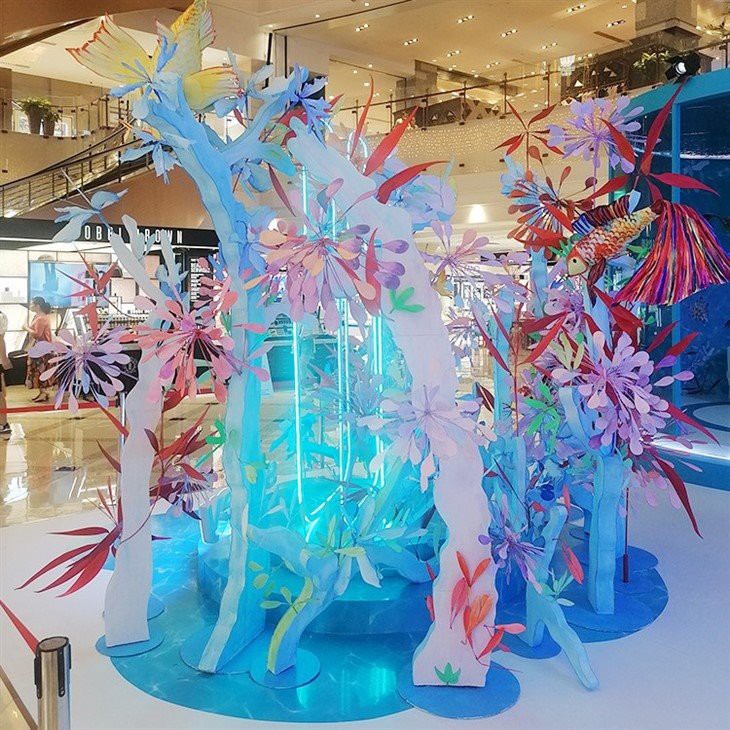

Pay Attention to the Details
The details are what make paper art props truly stand out. Pay attention to the small things, such as the placement of the props, the lighting, and the overall color scheme. By paying attention to the details, you can create a more polished and professional-looking display.
Consider the Context
When using paper art props in your decorations, it's important to consider the context of the event or space. For example, if you're creating decorations for a wedding, you might want to choose props that are romantic and elegant. If you're creating decorations for a corporate event, you might want to choose props that are more professional and sophisticated.
Conclusion
In conclusion, creating realistic paper art props for decoration is a fun and rewarding process that requires a combination of creativity, skill, and attention to detail. By following the tips and techniques outlined in this blog, you can create paper art props that look incredibly lifelike and add a touch of magic to any event or space.
As a supplier of Paper Art Props Decoration, I'm committed to providing high-quality paper art props that are both realistic and beautiful. If you're interested in learning more about our products or have any questions about creating paper art props, please don't hesitate to [contact us for procurement and negotiation]. We'd be happy to help you bring your vision to life.
References
- Smith, J. (2019). The Art of Paper Crafting. New York: ABC Publishing.
- Johnson, A. (2020). Creating Realistic Paper Flowers. London: XYZ Press.
- Brown, C. (2021). Paper Art for Beginners. Sydney: 123 Books.